What Is Stamped Concrete and How Does It Work?
People searching for stamped concrete installation are usually looking to enhance surfaces with decorative patterns and textures, and local service providers can help achieve durable, attractive results.
If you’re exploring options to enhance the appearance and functionality of outdoor surfaces, understanding what is stamped concrete and how it works can be a helpful first step. This decorative concrete technique allows property owners to achieve the look of natural stone, brick, or tile at a potentially lower cost, making it a popular choice for patios, walkways, and driveways. By learning about the process and benefits, you can better determine whether this versatile material aligns with your property improvement goals. Local contractors who specialize in stamped concrete installation are equipped to bring these designs to life, ensuring a durable and visually appealing surface tailored to your specific style.
Many property owners in the area turn to stamped concrete for its ability to combine aesthetic appeal with practical durability. Whether aiming to create a welcoming outdoor space or improve curb appeal, understanding how stamped concrete is installed and how it functions can help you make informed decisions. This knowledge can also highlight the importance of working with experienced service providers who can deliver high-quality results. Keep reading to discover more about what stamped concrete is, how it works, and how local experts can assist in transforming your outdoor surfaces into attractive, long-lasting features.
- Stamped concrete installation services are ideal for those seeking decorative surfaces that mimic natural materials and require skilled craftsmanship to achieve detailed patterns. Local contractors approach this work by preparing the existing surface, applying a base color, and creating textured designs to match specific aesthetic preferences. People considering what is stamped concrete and how does it work often turn to local pros for expert guidance on pattern selection and installation techniques. These service providers ensure the stamped concrete is properly sealed and finished to enhance durability and visual appeal. Contacting local contractors can help clarify the process and determine if stamped concrete fits the project’s design goals.
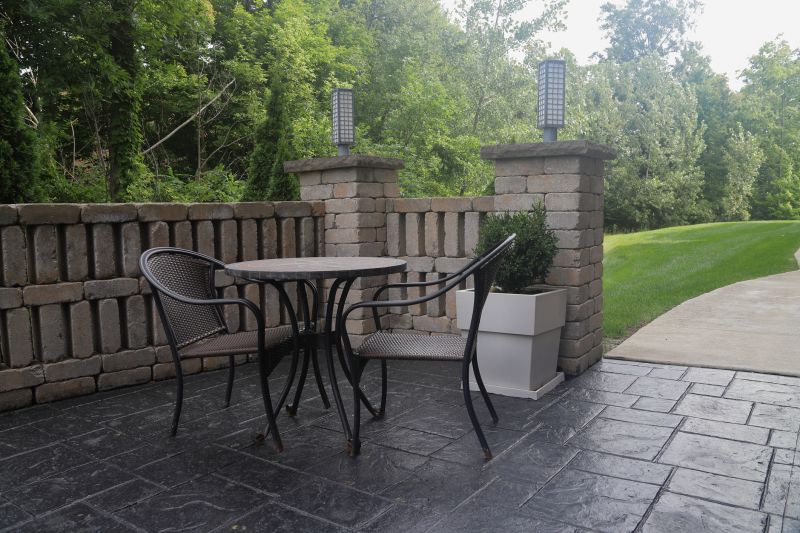
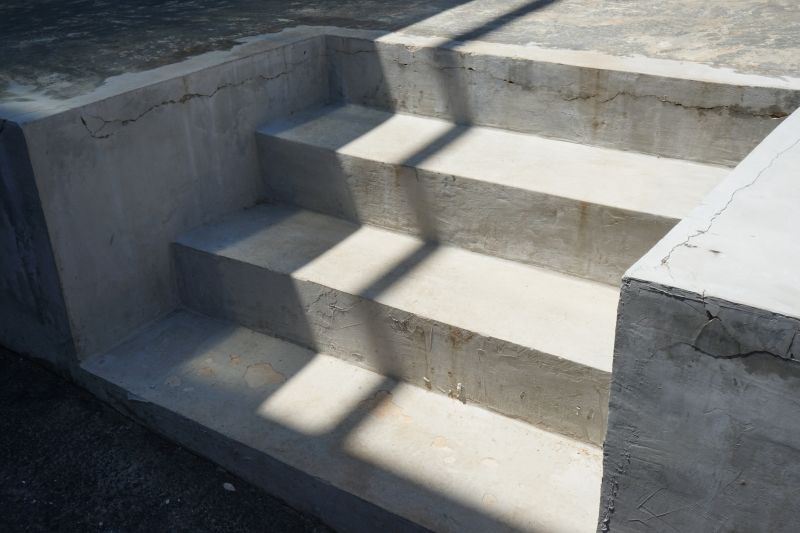
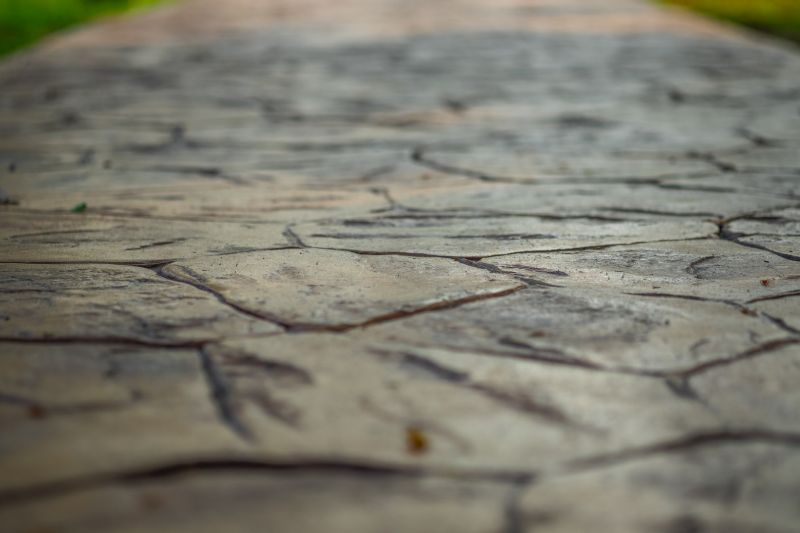
When people search for what is stamped concrete and how does it work, they are often exploring options for decorative paving or flooring solutions that combine durability with aesthetic appeal. This topic typically comes up during planning for outdoor patios, driveways, walkways, or even interior floors where a more customized look is desired. Homeowners may be interested in understanding how stamped concrete differs from traditional poured concrete, especially regarding its ability to mimic other materials like brick, stone, or tile. The goal is to find a cost-effective, versatile material that enhances curb appeal and complements the overall design of a property.
Stamped concrete is a type of concrete surface that is textured and patterned to resemble more expensive or natural materials. The process involves pouring concrete into a prepared area, then applying special stamps or molds while the concrete is still workable. These stamps imprint patterns onto the surface, creating the appearance of bricks, stones, or other decorative elements. After the pattern is set, the surface is often colored with stains or dyes to enhance its visual appeal. The result is a durable, low-maintenance surface that combines the strength of concrete with the decorative qualities of more costly materials, making it a popular choice for many property types.
Problems that lead homeowners to consider stamped concrete often relate to wanting a long-lasting, visually appealing surface that can withstand foot and vehicle traffic. It is frequently used in projects where traditional paving might be too costly or impractical. For example, a homeowner planning a driveway upgrade might look for a solution that offers aesthetic flexibility and durability, while someone designing a backyard patio may want a surface that looks like natural stone but requires less maintenance. These projects often involve properties like residential homes, small commercial buildings, or community spaces where a decorative yet resilient surface is needed.
Properties that typically feature stamped concrete include residential yards, driveways, and patios, as well as commercial walkways and public plazas. These surfaces are suitable for areas that need to endure weather conditions, heavy use, or both. Local contractors who specialize in stamped concrete installation can help evaluate the specific needs of each property and recommend appropriate patterns, colors, and finishes. By working with experienced service providers, property owners can ensure that the stamped concrete not only looks attractive but also performs well over time, providing a lasting enhancement to the property’s appearance and functionality.
Concrete paving projects - local contractors skilled in stamped concrete can also handle various paving jobs that require precise surface preparation and finishing techniques.
Patio and walkway installations - professionals experienced in stamped concrete often work on creating decorative outdoor surfaces with similar planning and material considerations.
Driveway resurfacing - local service providers may use stamped concrete techniques to upgrade existing driveways with textured, patterned finishes.
Architectural concrete features - designing decorative walls or facades often involves skills in concrete finishing and patterning comparable to stamped concrete work.
Interior concrete flooring - many contractors who install stamped concrete also specialize in decorative interior flooring with textured and colored finishes.
Landscape design elements - features like garden borders or decorative pads can be created by local pros using concrete techniques similar to stamped concrete installation.
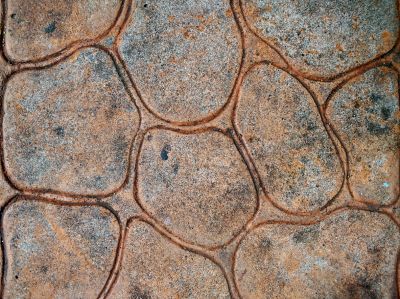
When comparing local contractors for stamped concrete installation services, it is important to consider their experience with similar projects. Homeowners should inquire about the types of stamped concrete work they have completed and whether they have handled projects comparable in scale and design to what is desired. Contractors with a proven track record in this area are more likely to understand the nuances of the process, including surface preparation, pattern selection, and finishing techniques, which can influence the durability and appearance of the final result.
Clear written expectations are essential when evaluating potential service providers. Homeowners should seek detailed explanations of the scope of work, materials used, and the steps involved in the installation process. Well-defined expectations help ensure that both parties are aligned on the project outcomes and reduce misunderstandings. Reputable local contractors typically provide thorough proposals or estimates that outline these details, allowing homeowners to compare their offerings more effectively and choose a provider that meets their needs.
Reputable references and good communication are key factors in selecting a reliable contractor for stamped concrete projects. Homeowners are encouraged to ask for references from previous clients who had similar work done, which can offer insights into the contractor’s professionalism, craftsmanship, and reliability. Additionally, observing how promptly and clearly a service provider responds to questions or concerns during the initial stages can indicate their level of communication and customer service. These qualities help ensure a smoother experience from project start to completion and contribute to a successful stamped concrete installation.
Property owners often search for what is stamped concrete and how does it work? when they are planning practical projects around their homes and businesses. Local pros provide Stamped Concrete Installation services for everyday jobs and straightforward project options.
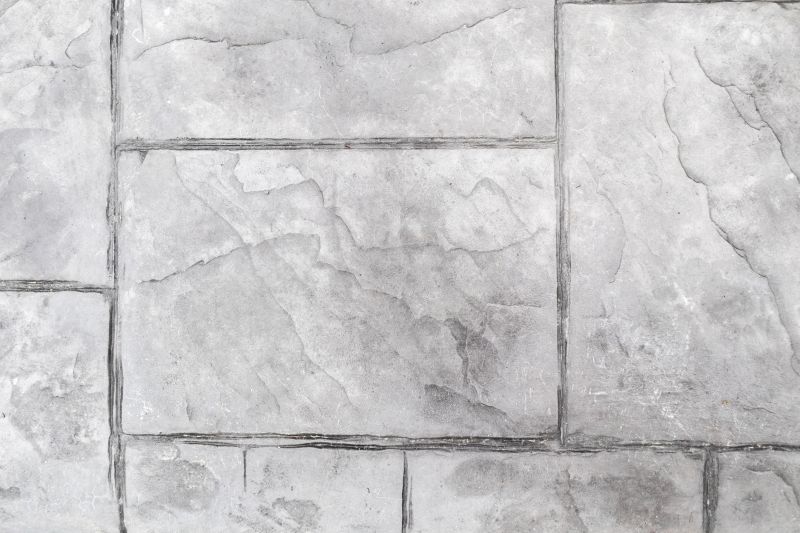
Stamped concrete is a popular choice for property owners looking to enhance outdoor spaces such as patios, walkways, or driveways. It involves pouring concrete and then applying a textured or patterned surface that mimics the look of materials like stone, brick, or slate. This decorative process allows homeowners to achieve a stylish, customized appearance without the higher costs associated with natural stone or pavers. When considering stamped concrete installation, local contractors can help determine the best patterns and colors to match the property's aesthetic, ensuring a durable and visually appealing result.
Understanding how stamped concrete works can clarify why many property owners opt for this method. After the concrete is poured and leveled, a coloring agent is often added to achieve the desired hue. Once the surface has set, a stamp tool is pressed into the concrete to create the textured pattern. Sealants are then applied to protect the surface and enhance its appearance. For those interested in this decorative technique, experienced service providers in the area can handle the entire process, offering guidance on design options and ensuring a professional finish that adds value and style to outdoor spaces.
What is stamped concrete and how does it work? Stamped concrete is a decorative surface created by imprinting patterns and textures onto freshly poured concrete. Local contractors apply specialized stamps and colorants to achieve the desired look, making the surface resemble materials like stone, brick, or slate.
How is stamped concrete installed by local service providers? During installation, professionals pour and level concrete, then press textured stamps into the surface before it sets. They also add color stains or overlays to enhance the appearance and durability of the finished surface.
Can stamped concrete be customized to match different styles? Yes, local contractors can customize stamped concrete with various patterns, colors, and finishes to complement different design preferences and outdoor aesthetics.
What maintenance do stamped concrete surfaces require? Stamped concrete typically needs regular cleaning and sealing to maintain its appearance and protect against wear and weathering, which local pros can advise on and perform if needed.
Is stamped concrete suitable for different outdoor spaces? Stamped concrete is versatile and can be used for patios, walkways, driveways, and pool decks, with local service providers helping to determine the best options for each space.
Design Customization - Property owners can explore different patterns and colors to match their outdoor style, with local contractors helping to bring their vision to life.
Surface Preparation - Properly preparing the existing concrete surface ensures the stamped overlay adheres well, which local pros can handle efficiently.
Durability Considerations - Choosing the right sealers and finishes can enhance the longevity of stamped concrete for high-traffic areas, with local service providers guiding selections.
Application Techniques - Skilled local contractors use specialized tools and methods to apply the stamped patterns evenly, creating a professional look for patios, walkways, or driveways.
If you are thinking about what is stamped concrete and how does it work? for a property, this guide is meant to help you understand this topic, the typical project types, and how different options might fit your plans.
When you are ready, you can use the quote form on this page to share a few details about your project. From there, local pros can review the basics and follow up with options that match what you have in mind.